Biohazard Cleanup
Contaminated materials removed, surfaces disinfected, odor treated and waste hauled away from your property.
Learn more →Tennessee · Giles County
Has a crime, an accident or an unattended death left a mess in Ardmore? Police and paramedics do not clean up afterward, so you need cleaners to remove blood, bodily fluids and contaminated materials. Call (877) 812-4220.
If anyone is in danger, call 911 first. For a suicide crisis, call or text 988.
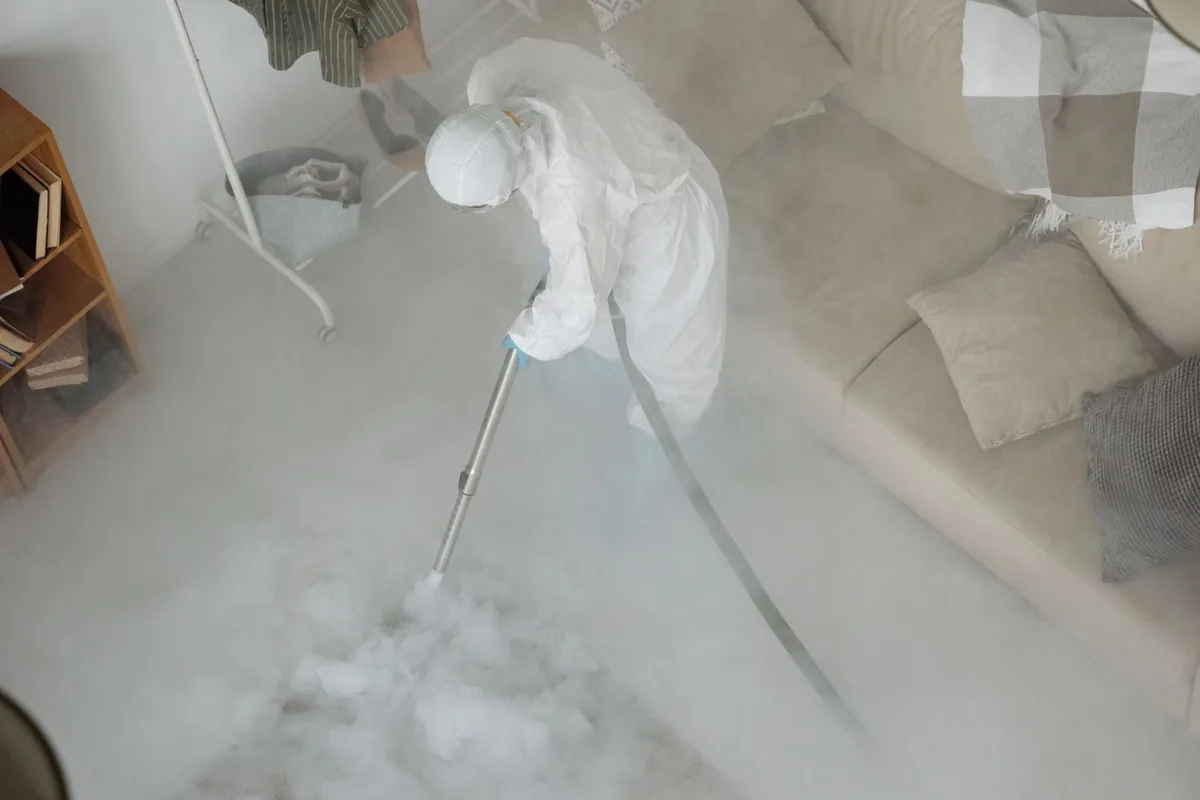
In plain terms, biohazard cleanup is decontamination after something harmful to health has been left behind. If you need cleanup in Ardmore, TN after a death, violent event, accident, spill or unsafe living conditions, call Ardmore Biohazard Cleanup Help and get a biohazard cleanup team ready for the job.
Teams do the heavy lifting: removing carpet, padding and drywall that cannot be cleaned, bagging regulated waste, disinfecting hard surfaces and treating odor at the source. The service area runs from Ardmore to Park City, Pulaski and Pulaski.
The median home in Ardmore dates to 1992. Newer homes usually have drywall, laminate and engineered flooring, but fluids still reach the padding and subfloor. About 27% of homes in Giles County are rented, so many cleanups involve owners working directly with their own homeowners insurance company.
Protective equipment is the first thing a crew puts on and the last thing it takes off. Respirators, gloves, face protection and disposable suits keep technicians safe, and OSHA's Bloodborne Pathogens Standard (29 CFR 1910.1030) is the guide for how it is used.
Hard surfaces get deep cleaning and a hospital-grade disinfectant from the EPA-registered list. Porous materials such as carpet, padding, mattresses and drywall that hold contamination are cut out and removed, because they cannot be made safe by wiping.
Biohazard cleanup is not one job. The list below breaks down the services open to Ardmore families, landlords and business owners.
Contaminated materials removed, surfaces disinfected, odor treated and waste hauled away from your property.
Learn more →Blood, bodily fluids and residue removed and disinfected after law enforcement releases the scene.
Learn more →Contaminated carpet, drywall and debris removed, with every affected surface disinfected and inspected.
Learn more →Removal of soaked materials, safe waste hauling and deodorizing after a delayed discovery.
Learn more →Gentle, discreet cleaning and disinfection of a home or rental after a death by suicide.
Learn more →Homicide cleaners remove contaminated materials, disinfect every affected surface and prepare records for insurers.
Learn more →Blood spill clean up for homes, rentals and workplaces, with soaked materials removed and surfaces sanitized.
Learn more →Bodily fluid clean up with protective gear, EPA-registered disinfectants and sealed disposal of contaminated materials.
Learn more →Urine and feces cleanup that removes soaked carpet, mattresses and furniture and sanitizes the affected area.
Learn more →Decomposition odor removal that treats flooring, walls and air after an unattended death.
Learn more →Room-by-room help for families, landlords and residents dealing with a hoarded home.
Learn more →Hoarding removal with protective gear, safe lifting and correct disposal of waste.
Learn more →Animal hoarding cleanup with protective gear, soaked flooring removal and thorough sanitizing.
Learn more →Crews haul away trash and soiled items, then deep clean and sanitize the home.
Learn more →Sewer backup cleaning for toilets, drains, basements and crawl spaces in homes and businesses.
Learn more →Commercial decontamination services for offices, restaurants, schools, gyms and care sites after illness.
Learn more →Cleaning first, disinfecting second: a careful process that targets the germs, not only the stain.
Learn more →Medical waste removal: sharps, soaked dressings and clinical waste packed, sealed and hauled away.
Learn more →Sharps cleanup with protective gear, puncture-resistant containers and proper medical waste disposal.
Learn more →Drug paraphernalia cleanup: syringes, pipes and items removed, surfaces cleaned and waste hauled away.
Learn more →Drug lab decontamination with sampling before and after, once law enforcement releases the site.
Learn more →Found unknown powder? A cleanup team contains the area, cleans surfaces and hauls waste safely.
Learn more →Toxic waste cleanup that identifies the substance, cleans affected surfaces and follows disposal rules.
Learn more →Cleanup that begins once responders clear the scene, with records for insurers, owners and inspectors.
Learn more →Pepper spray cleanup that lifts oily residue from surfaces without spreading it to clean rooms.
Learn more →Rodent infestation cleanup after pest control, with odor removal and sanitizing of the affected area.
Learn more →Pigeon and bird droppings cleanup on ledges, balconies, warehouses and storefronts.
Learn more →Dead animal odor removal that targets the source of the smell, not just the air.
Learn more →Vehicle biohazard cleanup for cars, trucks, vans and buses, with soaked upholstery removed and odor treated.
Learn more →Accident scene cleanup for homes, stores, offices and vehicles, handled quietly with protective gear.
Learn more →Commercial cleaning crews disinfect offices, shops, plants and rentals after injuries, deaths and backups.
Learn more →Sorting, removal and cleaning of a loved one's home, with keepsakes set aside for the family.
Learn more →A cleanup specialist answers the call, then a technician inspects the site, identifies every biohazard and plans the remediation process. At a crime scene, work starts after law enforcement releases the property.
Affected rooms are isolated so contamination and odor stay put. Technicians suit up and bring in the equipment the job needs.
Crews in protective gear remove contaminated materials, clean every surface and disinfect with EPA-registered products. Waste is sealed and carried out as regulated medical waste.
Odor is neutralized, biohazardous waste leaves under medical waste rules, and a final inspection confirms the property is safe to use again.
Death odor and sewage smell are treated with air scrubbers and hydroxyl or ozone equipment, not masked with sprays that fade.
Hoarded homes, neglected rentals and difficult situations are treated with dignity. The only goal is a safe, clean space again.
One biohazard cleanup company covers removal, disinfection, odor removal and damaged materials, so the family can step back.
Local help in Ardmore, Pulaski and nearby towns means crews know the area, local police and the way homes in the region are built.
Biohazard cleanup in Ardmore, TN typically costs $500 to $25,000, depending on the type of biohazard, the size of the affected area and how far fluids soaked into porous materials.
Most residential jobs cost $3,000 to $5,000 (Fixr). The main price drivers are the area affected, the number of porous materials removed, the amount of odor treatment needed and the cost of regulated waste disposal. A small spill sits at one end and a hoarder house or unattended death at the other.
| Type of job | Typical range |
|---|---|
| Blood spill cleanup, small area | $500 - $2,500 |
| Crime scene cleanup, most homes | $1,500 - $7,500 |
| Unattended death cleanup | $2,000 - $7,000 |
| Suicide cleanup | $1,500 - $5,500 |
| Sewage cleanup, most homes | $2,000 - $10,000 |
| Hoarding cleanup, level 3 home | $2,000 - $5,000 |
| Meth lab cleanup, typical | $15,000 - $20,000 |
Estimates only, not a quote. Sources: Fixr, Yelp Costs, BioCleaners Directory, PushLeads, Dropcurb, Bob Vila and cleanup company cost guides. Call (877) 812-4220 to talk through the job.
Falls, power tool injuries, farm and industrial accidents and car crashes can leave blood and tissue behind. Accident scene cleanup removes the trace so the space can be used again.
Families should never have to clean up after a suicide. Discreet suicide cleanup removes all traces with care and respect. Crisis support is available any time at 988.
Hoarder homes can hide rotting food, animal waste, mold and pests, along with fire and structural hazards. Hoarding cleanup sorts belongings and restores a livable condition.
Attics, barns and sheds can hold droppings, guano and carcasses that carry disease. Careful removal and disinfection protect the people who go back in.
When a death goes unnoticed for days, decomposition fluids reach flooring and subfloor and the odor spreads. Death cleanup removes the affected materials and treats the odor at the source.
Giles County has a Relatively Low river flood risk rating from FEMA. Floodwater mixes with sewage, and anything it touches needs full biohazard cleaning, not just drying.
Health risks vary by material. Blood and bodily fluids bring bloodborne pathogens, decomposition brings bacteria and odor, and waste and residue bring their own dangers. Job size then sets the scale of the response.
Usually it is better not to. The affected area is sealed off, odor and chemicals may be present, and the work is easier to do safely with people and pets elsewhere. The crew can say what is safe for your situation.
Regular cleaning removes dirt. Biohazard cleanup removes infectious material and reaches under and behind surfaces, using PPE, containment, EPA-registered disinfectants and regulated waste disposal. It follows safety rules that ordinary cleaning does not.
Many policies do cover cleanup after a death in the home, but some exclude certain causes or situations. Read the policy or ask the insurer which parts apply. Call the insurance company before cleanup starts, and keep photos and receipts for the claim.
It varies by the germ. Hepatitis B can survive on surfaces for at least seven days, and other pathogens last for different periods. Because nobody can tell by looking, all blood is treated as infectious until it has been properly disinfected.
Safe cleaning means PPE, containment, removal of porous materials, cleaning, EPA-registered disinfectant for the full contact time, and sealed disposal of the waste. A small household spill is a different matter than a death or crime scene, and anything larger than a few drops should be left to a crew.
Yes. Dried blood can still carry bloodborne pathogens. The CDC notes hepatitis B can survive on surfaces for at least seven days, and scraping dried blood releases particles. It should be handled with PPE and disinfected.
Yes. Vacant properties, at 15% of housing in Giles County, can collect animal waste, drug paraphernalia, sewage and storm damage. Owners should treat what they find as a hazard and call for cleanup instead of clearing it themselves.
Yes. Ardmore has about 1,073 residents, and the same biohazard cleanup services are available in Ardmore and across Giles County. Call (877) 812-4220 to talk through the job.
Pulaski is the Giles County seat, and you can get help there along with Ardmore, Park City and Pulaski. Call Ardmore Biohazard Cleanup Help at (877) 812-4220 to ask about a property in any of these towns.
A cleanup specialist is ready to talk it through whenever you are.
Call (877) 812-4220